Sexual Health
Does Having Sex Every Day Decrease Your Sperm Count?
When it comes to family planning, fertility, and overall reproductive health, the frequency of sexual activity can be a topic of curiosity and concern. One common question that men often have is whether having sex every day impacts their sperm count or quality. The VB Health medical experts look into the science behind sperm production, the potential effects of daily sex on sperm count, and how this might influence fertility. Understanding Sperm Production and Sperm Count Sperm production is a continuous process. The average male produces millions of sperm each day, but it takes approximately 64 days for a sperm cell to fully mature. According to the World Health Organization (WHO), a normal sperm count ranges from 15 million to over 200 million sperm per milliliter of semen. This count can vary based on a range of factors, including age, lifestyle, health status, and even stress levels. Sperm quality is measured by several parameters: Count: The total number of sperm in a semen sample. Motility: The percentage of sperm that can swim efficiently. Morphology: The shape and structure of sperm, which influence their ability to fertilize an egg. Daily sexual activity can affect these parameters in different ways. The question is, does more frequent ejaculation necessarily mean a lower sperm count? The Impact of Daily Sex on Sperm Count Ejaculating every day can decrease the overall sperm count per ejaculation, but that doesn’t necessarily mean it will affect fertility negatively. Let’s break down what research says: Reduced Sperm Concentration: Studies have shown that men who ejaculate daily may experience a slight drop in sperm concentration. According to research published in Fertility and Sterility, frequent ejaculation (once daily) can reduce sperm count, but for men with a healthy baseline count, the levels typically remain within the normal range. The reduction is not significant enough to impact fertility for most men. Improved Sperm Quality: Daily ejaculation may improve sperm quality in certain ways. Research has found that frequent ejaculation can decrease DNA fragmentation in sperm, making the sperm healthier overall. A study from the European Society of Human Reproduction and Embryology revealed that men who ejaculated daily for seven days had lower levels of DNA damage in their sperm, potentially enhancing fertility. Factors to Consider for Fertility For couples trying to conceive, understanding the balance between sperm count and quality is essential. Here’s how daily sex might influence your chances of conception: Optimal Frequency: For men with normal sperm counts, having sex every day or every other day during the partner’s fertile window is considered optimal. This frequency ensures a constant supply of fresh, healthy sperm and increases the likelihood of conception. Low Sperm Count Concerns: For men who already have a lower sperm count, ejaculating daily could reduce the total number of sperm available per ejaculation. In these cases, doctors may recommend spacing out sexual activity every 2-3 days to allow for a higher sperm concentration. Drugs: Marijuana aka weed can reduce sperm count. Other drugs can also have a negative impact on sperm count and overall sperm health. Low Sperm Count Recovery and Abstinence The body is designed to continually produce sperm, but abstaining from ejaculation can increase sperm count temporarily. Here’s what happens when you abstain: Sperm Build-Up: Abstinence for 2-3 days can increase the total sperm count in an ejaculation. However, prolonged abstinence (over 7-10 days) can lead to a decline in sperm motility and increase the percentage of sperm with DNA fragmentation. Finding the Right Balance: The American Society for Reproductive Medicine suggests that for most men, ejaculating every 1-2 days strikes a good balance between maintaining high sperm count and ensuring sperm quality. Lifestyle and Other Factors That Influence Sperm Health Aside from sexual frequency, several lifestyle factors can influence sperm count and quality. Here are some considerations: Diet: A healthy diet rich in antioxidants (found in fruits and vegetables) can improve sperm health. Foods high in zinc and folic acid, like nuts and leafy greens, are beneficial for sperm production. Exercise: Regular moderate exercise can boost testosterone and improve sperm quality. However, excessive high-intensity training without adequate recovery can negatively affect sperm production. Avoiding Toxins: Smoking, excessive alcohol consumption, and exposure to environmental toxins can lower sperm count and quality. Supplements: Taking vitamins and supplements like L-Arginine can increase sperm count. Does Daily Sex Harm Fertility? For most men with normal sperm parameters, having sex every day is unlikely to have a negative impact on fertility. While sperm count may decrease slightly with daily ejaculation, the overall sperm quality can improve, and sperm levels generally remain within a healthy range. For couples trying to conceive, having regular sex—especially around the time of ovulation—can increase the chances of pregnancy. Getting pregnant can be difficult. Be patient, analyze the factors in your life that impact fertility, and work with your partner. Sources: https://pmc.ncbi.nlm.nih.gov/articles/PMC4445565/ https://pmc.ncbi.nlm.nih.gov/articles/PMC5071206/
Learn moreIs Prone Masturbation Bad For You?
Masturbation is a natural and common activity that plays a role in sexual development, self-exploration, and pleasure. While most people engage in masturbation in different ways, one form—known as prone masturbation—has garnered attention in discussions surrounding sexual health, particularly in relation to erectile dysfunction (ED) and orgasm difficulties. In this article, the VB Health medical experts look into what prone masturbation is, how it might affect sexual health, and the science behind what you can do if it becomes a concern. What Is Prone Masturbation? Prone masturbation refers to the act of masturbating while lying face down, often pressing or rubbing the penis against a mattress, pillow, or another surface rather than using the hands. The pressure and friction involved in prone masturbation are distinct from traditional hand-based techniques, and for some, it becomes a preferred or habitual form of self-pleasure. The unique physical stimulation it provides may come with potential sexual health implications. How Prone Masturbation Might Affect Erectile Function One of the main concerns about prone masturbation is its possible relationship with erectile dysfunction (ED). Erectile dysfunction is defined as the inability to achieve or maintain an erection sufficient for sexual intercourse, and its causes can be both psychological and physiological. Here’s how prone masturbation could be involved: High-Pressure Stimulation: The pressure applied during prone masturbation can be significantly greater than what would typically be experienced during penetrative sex. Over time, the body may become desensitized to lighter forms of stimulation, making it more difficult to get or maintain an erection with a partner. Conditioned Arousal Response: The brain is remarkably adaptable and can become conditioned to respond only to very specific types of stimulation. If prone masturbation becomes the primary way a person experiences sexual pleasure, their arousal response may become less sensitive to other forms of stimulation, contributing to erectile difficulties. Research on this topic is still limited, but anecdotal reports from men experiencing ED suggest that modifying or reducing prone masturbation habits may actually improve their sexual function. A survey published in Sexual Medicine Reviews notes that individuals who struggle with partner-based arousal often cite unique masturbation techniques as a potential contributing factor. Masturbation in the most common sexual position, missionary, could help men become more comfortable in that position. Orgasm and Prone Masturbation: The Impact on Sensitivity In addition to affecting erectile function, prone masturbation may also influence how and when an orgasm is reached. Here’s how: Delayed Orgasm or Anorgasmia: The intense friction and pressure involved in prone masturbation can make it more difficult to achieve orgasm through other, less intense forms of stimulation. This can lead to delayed orgasm or an inability to orgasm (anorgasmia) during partnered sex, as the body has become accustomed to a higher threshold of stimulation. Cum control and edging allow more control over when you orgasm. Reduced Pleasure: Some men report that orgasms achieved through prone masturbation feel less satisfying or pleasurable compared to orgasms experienced with a partner. This could be due to a combination of physical desensitization and psychological factors related to habituation. Treatment Options and Strategies If prone masturbation is affecting your ability to experience satisfying sex or contributing to erectile dysfunction, there are several approaches you can consider to address the issue: Gradual Habit Change: Shifting away from prone masturbation techniques can be challenging, but it is often a crucial step. Gradually transitioning to lighter forms of self-stimulation that more closely mimic partner-based sex can help recondition your arousal response. Pelvic Floor Exercises: Strengthening the pelvic floor muscles can improve erectile function and sensitivity. Kegel exercises, which involve contracting and releasing the pelvic muscles, have been shown to enhance sexual performance and may be particularly helpful for men dealing with ED. Kegels can give you more control over your penis, even allowing some men to have a hands free orgasm. Sensate Focus Exercises: Sensate focus is a therapeutic technique used in sex therapy that encourages couples to explore non-genital touch in a relaxed, pressure-free environment. This can help re-establish physical and emotional intimacy while retraining the body to respond to different types of stimulation. This can increase sensitivity. Therapy and Counseling: If prone masturbation habits are deeply ingrained or associated with anxiety or shame, working with a certified sex therapist can be beneficial. A therapist can help address any psychological barriers and create a personalized plan to improve sexual health. Masturbation and Sexual Health Prone masturbation is a unique form of self-stimulation that, for some men, may have unintended consequences on erectile function and orgasm. The key points to consider include: Habituation: The body can become accustomed to specific forms of stimulation, potentially making it harder to experience arousal and orgasm with a partner. Too much masturbation can cause decreased testosterone. Erectile Dysfunction: High-pressure stimulation may desensitize the penis to gentler sensations, contributing to difficulty achieving or maintaining an erection during partnered sex. Treatment Options: Strategies such as altering masturbation habits, practicing pelvic floor exercises, and seeking therapy can help improve sexual health and satisfaction. Sources: https://pmc.ncbi.nlm.nih.gov/articles/PMC8382266/ https://pmc.ncbi.nlm.nih.gov/articles/PMC8697462/ https://www.spermbankcalifornia.com/sperm-bank-resources/male-masturbation
Learn moreWhat are the best nuts for testosterone?
When it comes to boosting testosterone levels, many people turn to supplements, exercise, and dietary changes. Among the foods often recommended for their potential hormone-boosting properties are nuts. But do nuts really increase testosterone? The VB Health medical experts look at the scientific evidence and explore the benefits of different types of nuts. The Connection Between Diet and Testosterone Testosterone, a vital hormone in both men and women, plays a crucial role in muscle mass, energy levels, and overall well-being. While the body naturally produces testosterone, certain lifestyle and dietary choices can influence its levels. Key dietary components that can impact testosterone include: Healthy fats Vitamins and minerals Protein Nuts, rich in various nutrients, fit well into a diet designed to support hormonal health. Not all nuts have the same effect on testosterone levels. Nut Type Key Nutrients Benefits for Testosterone Additional Health Benefits Almonds Magnesium, Vitamin E, Protein Magnesium boosts free testosterone Supports heart health, skin health Cashews Zinc, Protein, Healthy Fats Zinc is crucial for testosterone production Improves immune function, heart health Brazil Nuts Selenium, Healthy Fats, Protein Selenium supports testosterone and sperm quality Supports thyroid function, antioxidant, reduces cholesterol Walnuts Omega-3 Fatty Acids, Protein Omega-3s reduce inflammation, support hormone health Improves brain health, heart health Pistachios Protein, Healthy Fats, Fiber Supports overall health and hormone production Promotes gut health, helps weight management Do Almonds Increase Testosterone? Almonds are renowned for their high nutrient content, which includes: Healthy monounsaturated fats Protein Vitamin E Magnesium Fiber Magnesium is particularly important for testosterone production. Studies have shown that men with higher magnesium levels tend to have higher testosterone levels. Magnesium helps to increase free testosterone, the form that is most active in the body. By including almonds in your diet, you can boost your magnesium intake and potentially support your testosterone levels. Healthy Fats in almonds also contribute to hormone production. Testosterone synthesis requires cholesterol, and almonds provide a healthy source of this essential fat. The high protein content in almonds supports muscle growth and repair, further aiding overall health and hormonal balance. So do almonds have an impact on sexual performance? As part of a healthy diet, yes. Aside from the potential impact on libido, the nutrients within nuts could even help increase semen volume. That said, nuts on their own won't have a significant increase on testosterone like other supplements for testosterone could. Cashews for Testosterone: Rich in Zinc Cashews are another nut that can positively influence testosterone levels. They are particularly rich in: Zinc Healthy fats Protein Antioxidants Zinc is a mineral known for its role in testosterone production. Low levels of zinc have been linked to decreased testosterone levels. Cashews provide a good amount of zinc, which is essential for maintaining healthy testosterone levels. Antioxidants in cashews help reduce oxidative stress, which can negatively impact hormone production. By incorporating cashews into your diet, you can enhance your intake of zinc and antioxidants, supporting overall health and potentially boosting testosterone levels. Brazil Nuts and Testosterone Effects: Fact or Fiction? Brazil nuts, native to South America, are among the richest natural sources of selenium, an essential trace mineral that plays a critical role in male reproductive health. Selenium is integral to the synthesis of testosterone and the production of healthy sperm. A single Brazil nut contains approximately 68–91 micrograms of selenium, significantly exceeding the daily recommended intake of 55 micrograms for most adults. Studies have shown that selenium can improve semen quality by enhancing sperm motility and morphology. A 2018 study published in the Journal of Trace Elements in Medicine and Biology found that selenium supplementation increased testosterone levels and sperm parameters in men with selenium deficiency. This makes Brazil nuts a potent dietary addition for those aiming to optimize testosterone levels naturally. Brazil nuts are a rich source of healthy fats, including monounsaturated fats, which are crucial for hormone production. Testosterone is synthesized from cholesterol, and dietary fat intake has been positively correlated with testosterone levels. Brazil nuts also provide magnesium and zinc, minerals that are closely linked to testosterone production. Research published in Biological Trace Element Research suggests that magnesium can increase free testosterone levels, particularly in physically active individuals, by reducing oxidative stress and improving hormonal balance. Consuming Brazil nuts in moderation, typically 1–2 nuts per day, can offer a powerful combination of selenium, healthy fats, and supportive minerals to enhance testosterone levels while reducing inflammation and oxidative stress in the body. Other Nuts to Consider While almonds and cashews are notable for their specific nutrients, other nuts also offer benefits for testosterone production: Brazil Nuts: The richest food source of selenium, a mineral that supports testosterone production and improves sperm quality. Walnuts: Contain omega-3 fatty acids, which help reduce inflammation and support overall hormonal health. Pistachios: Rich in protein and healthy fats, contributing to general health and hormone production. Best Nuts to Increase Testosterone Testosterone plays a crucial role in various aspects of men’s health, from muscle growth and energy levels to overall vitality. While many focus on workout routines or specific supplements to boost testosterone, your diet—specifically the types of fats you consume—also plays a critical role. Nut butters are a convenient and tasty way to add healthy fats and essential nutrients to your diet, and some varieties may even support your body’s natural testosterone production. Our medical experts take a closer look at the best nut butters to help you give your testosterone a natural boost. 1. Brazil nuts for testosterone Brazil nuts are a powerhouse of selenium, a trace mineral essential for testosterone production and sperm health. Just one or two Brazil nuts can provide more than the daily recommended selenium intake, which studies have linked to improved testosterone levels and sperm quality in selenium-deficient men. Brazil nuts are rich in healthy fats, magnesium, and zinc—key nutrients that support testosterone synthesis and hormonal balance. By reducing oxidative stress and enhancing nutrient availability, Brazil nuts can naturally boost testosterone and overall reproductive health. Why it’s great: Rich in the otherwise rare mineral selenium. Pro tip: Just two Brazil nuts per day are enough selenium for most people. 2. Almonds for testosterone Almond butter is a great source of monounsaturated fats, which have been linked to healthy testosterone levels. Almonds are high in zinc and magnesium, two minerals essential for testosterone production. Studies suggest that zinc deficiency can lower testosterone, and magnesium has been shown to improve free testosterone levels, especially in active individuals. Why it’s great: Rich in zinc, magnesium, and healthy fats. Pro tip: Try adding a spoonful to your smoothies or spread it on whole-grain toast for a testosterone-friendly breakfast. 3. Peanuts for testosterone Peanut butter is an affordable and widely available option that’s packed with protein and healthy fats. While peanuts aren't as rich in zinc as almonds, they still offer a decent amount, along with healthy monounsaturated fats. One important nutrient found in peanut butter is vitamin E, an antioxidant that supports hormone health and may help maintain testosterone levels. Why it’s great: Contains protein, vitamin E, and monounsaturated fats. Pro tip: Opt for natural peanut butter without added sugars or hydrogenated oils to get the full health benefits. 4. Walnuts for testosterone Walnut butter is a bit of a lesser-known gem, but it's packed with omega-3 fatty acids. Omega-3s are known to support overall hormonal balance, and some studies have shown a correlation between omega-3 intake and improved testosterone levels. Walnuts also contain antioxidants, which reduce oxidative stress, potentially supporting better testosterone production. Why it’s great: High in omega-3 fatty acids, which can support hormone balance. Pro tip: Try drizzling walnut butter over yogurt or incorporating it into a post-workout snack. 5. Cashews for testosterone Cashew butter is another excellent option due to its impressive zinc content. Zinc plays a key role in maintaining optimal testosterone levels, especially for those who may be deficient. Cashews are also rich in monounsaturated fats, which help keep cholesterol levels in check—a factor that can influence testosterone production since testosterone is synthesized from cholesterol. Why it’s great: Contains high levels of zinc and healthy fats. Pro tip: Add cashew butter to smoothies or sauces for a creamy texture and a nutrient boost. 6. Macadamia nuts for testosterone Macadamia nut butter is a testosterone powerhouse thanks to its high content of monounsaturated fats. In fact, macadamias are one of the highest-fat nuts available, with around 80% of their fat content coming from monounsaturated fats, the type linked to higher testosterone levels. Macadamias are also low in omega-6 fatty acids, which are essential in moderation but may interfere with testosterone when consumed in excess. Why it’s great: Extremely high in monounsaturated fats that support testosterone production. Pro tip: Enjoy a spoonful of macadamia nut butter as a healthy snack to satisfy cravings and promote hormone health. 7. Pistachios for testosterone Pistachios are a nutrient-dense snack that may positively influence testosterone levels through their rich content of healthy fats, antioxidants, and key micronutrients. They are particularly high in monounsaturated and polyunsaturated fats, which are critical for hormone production, including testosterone synthesis. Pistachios contain arginine, an amino acid that enhances blood flow and supports overall vascular health, indirectly benefiting reproductive function. Research has also shown that pistachios improve markers of oxidative stress and inflammation, factors known to impact testosterone levels and sperm quality. When included as part of a balanced diet, pistachios can support hormonal health and reproductive function in men. Why it’s great: High in monounsaturated fats that support testosterone production. Pro tip: Versatile for cooking both sweet and savory foods. Able to be used in many different cuisines. The Verdict on Nuts and Testosterone Incorporating nuts into your diet can be a smart choice for overall health and hormonal balance. Here are some key takeaways: Nuts are nutrient-dense: They provide essential vitamins, minerals, and healthy fats that support hormone production. Specific nuts have unique benefits: Almonds are high in magnesium, while cashews are rich in zinc, both crucial for testosterone levels. Variety is key: Including a range of nuts in your diet ensures you get a broad spectrum of nutrients. While nuts alone may not dramatically boost testosterone levels, they can be an important part of a balanced diet that supports overall hormonal health. Combining nut consumption with other healthy lifestyle choices, such as weight lifting, cardiovascular exercise, and sufficient sleep can help maintain optimal testosterone levels and enhance overall health. If you've tried the diet, sleep, and exercise route without results it may be time to talk to your doctor about testosterone replacement therapy. Sources: https://www.ncbi.nlm.nih.gov/pmc/articles/PMC8139345/ https://www.ncbi.nlm.nih.gov/pmc/articles/PMC7830687/ https://pubmed.ncbi.nlm.nih.gov/35204285/
Learn moreWhat Happens If We Release Sperm Daily?
The male body produces millions of sperm daily, and releasing them frequently through ejaculation is a common aspect of sexual health. Many men wonder about the potential effects of daily sperm release on their health, fertility, and overall well-being. Our medical experts analyze the science behind daily sperm release, addressing its impacts and benefits. Difference Between Sperm and Semen It's essential to distinguish between sperm and semen, as these terms are often used interchangeably but refer to different components of the male reproductive system. Sperm: Sperm are the male reproductive cells responsible for fertilizing the female egg. These microscopic cells are produced in the testes and have a head, midpiece, and tail, which allow them to swim and navigate through the female reproductive tract. Semen: Semen is the fluid that carries sperm during ejaculation. It is produced by the male reproductive organs, including the seminal vesicles, prostate gland, and bulbourethral glands. Semen contains nutrients, enzymes, and other substances that help protect and nourish sperm, enhancing their ability to fertilize an egg. Sperm are the reproductive cells, while semen is the fluid that transports and supports these cells during the process of ejaculation and fertilization. Understanding Sperm Production Sperm production, or spermatogenesis, is a continuous process that takes place in the testes. It involves several stages of development, from the initial germ cells to fully mature sperm. Spermatogenesis is a complex process that spans approximately 64 days. It involves the division and differentiation of spermatogonia into mature spermatozoa within the seminiferous tubules of the testes. Daily, a healthy male produces about 100 million sperm, ensuring a steady supply even with frequent ejaculation. This high production rate supports the body's capability for regular sperm release without depleting reserves. Impact on Fertility A common concern is whether daily ejaculation affects fertility. Understanding the relationship between ejaculation frequency and sperm quality is essential for those trying to conceive. Sperm Quality and Quantity Quantity: Daily ejaculation may slightly reduce the volume of semen and the total sperm count per ejaculate. However, the reduction is generally not significant enough to impact fertility adversely in healthy men. Quality: The overall quality of sperm, including motility (the ability to move) and morphology (shape and structure), typically remains unaffected with daily ejaculation. Studies have shown that regular ejaculation does not significantly compromise sperm quality in most men. Optimal Frequency for Conception Research indicates that having intercourse every 1-2 days during the woman's fertile window can maximize the chances of conception. This frequency helps maintain high sperm quality and ensures a sufficient supply of sperm. Health and Psychological Benefits of Ejaculating Releasing sperm daily can have several health and psychological benefits, contributing to overall well-being. Regular ejaculation may have protective effects on prostate health. A study published in the journal European Urology found that men who ejaculated 21 times or more per month had a 20% reduced risk of prostate cancer compared to those who ejaculated less frequently. Sexual activity and ejaculation release endorphins and oxytocin, hormones that can help reduce stress and promote relaxation. These hormones also contribute to improved mood and mental health. Additionally, the release of prolactin during ejaculation can promote better sleep, as this hormone has a calming effect on the body. Considerations and Potential Drawbacks While daily sperm release can have several benefits, there are also some considerations and potential drawbacks to keep in mind. Physical fatigue can result from frequent ejaculation, especially if it disrupts regular sleep patterns or daily routines. Men may experience fluctuations in libido with daily ejaculation, which can affect sexual desire and performance. To take advantage of the potential improved libido and increased semen volume from abstaining, some men practice semen retention with positive results. Releasing sperm daily is generally safe and can offer various health and psychological benefits. For most men, it does not adversely affect sperm quality or fertility and can contribute positively to overall well-being. Sources: https://www.ncbi.nlm.nih.gov/pmc/articles/PMC8382266/ https://www.ncbi.nlm.nih.gov/pmc/articles/PMC387502/
Learn moreWhy Do Men Get Morning Wood
Morning erections, or nocturnal penile tumescence, are a natural phenomenon in men linked to REM sleep and hormonal fluctuations, particularly testosterone. They indicate overall sexual health, and a decrease can signal issues like erectile dysfunction, sleep disorders, or hormonal changes. Regular occurrences suggest cardiovascular health and effective stress management.
Learn moreHow To Have A Wet Dream
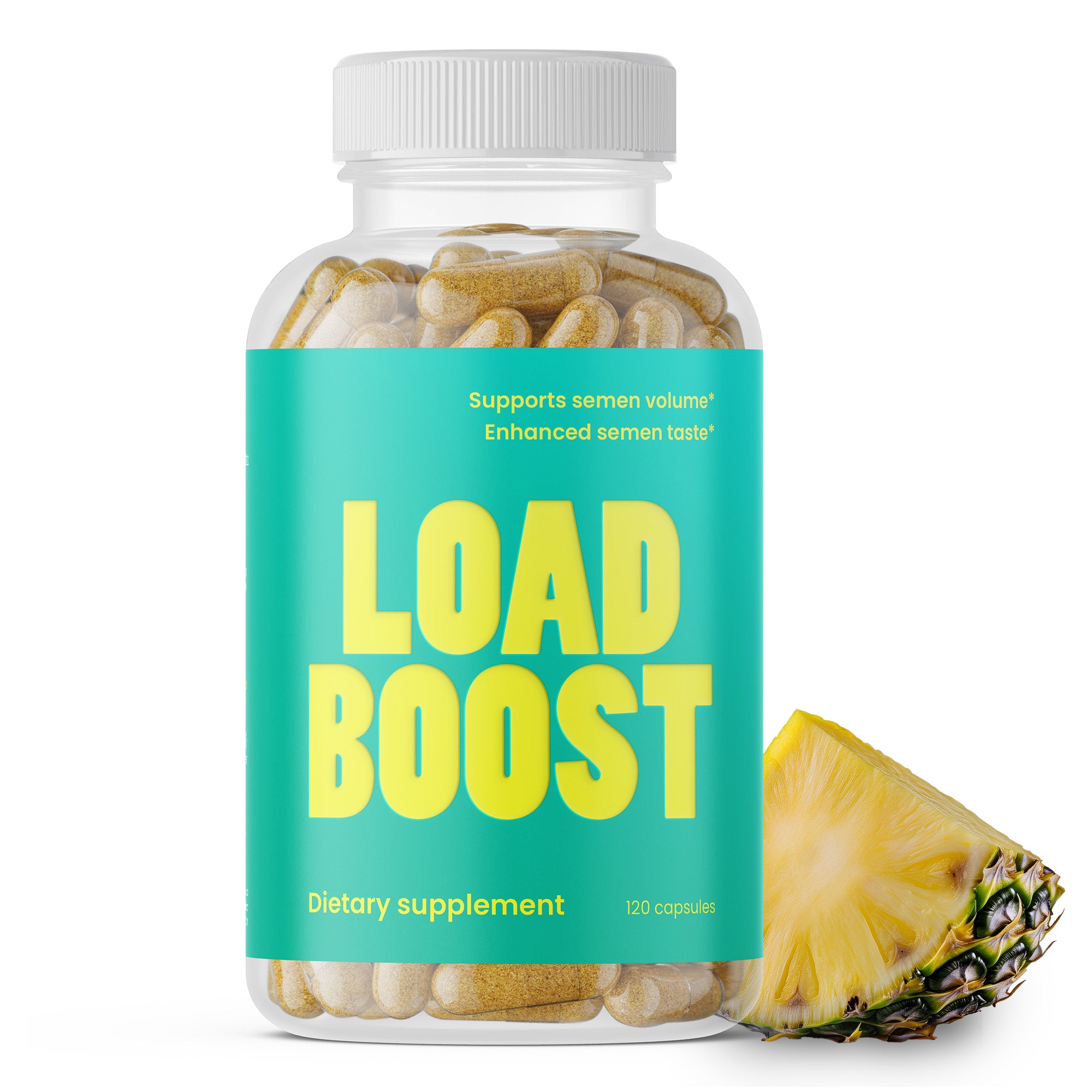
Wet dreams, also known as nocturnal emissions or nightfall, are a natural phenomenon that typically occur during adolescence but can continue into adulthood. They are a normal part of sexual development and can be experienced by most people. This guide will provide an in-depth look at wet dreams, including what they are, how they happen, and tips for encouraging them. What Is A Wet Dream? Wet dreams occur during sleep when an individual experiences an involuntary orgasm, often accompanied by ejaculation in those with male reproductive systems. These dreams usually happen during the rapid eye movement (REM) phase of sleep, which is when most vivid dreaming occurs. Here are some key points to understand about wet dreams: Natural Process: Wet dreams are a natural way for the body to release built-up sexual tension and are a sign of healthy sexual development. Hormonal Influence: During puberty, hormonal changes increase sexual thoughts and fantasies, which can lead to nocturnal emissions. Frequency: The frequency of wet dreams varies from person to person. Some may experience them frequently, while others rarely do. Understanding Nightfall Nightfall is a term commonly used in some cultures, particularly in South Asia, to describe the occurrence of nocturnal emissions or wet dreams. This phenomenon is often surrounded by various myths and misconceptions in these regions. Nightfall is considered a natural process where the body releases excess seminal fluid during sleep, typically resulting in ejaculation. It is most common among adolescent males but can occur in individuals of any age. Factors That Influence Wet Dreams Several factors can influence the occurrence of wet dreams. Understanding these factors can help you better grasp why they happen and how they can be influenced: Hormonal Levels: Higher levels of testosterone or estrogen can increase the likelihood of wet dreams. Sexual Activity: Those who are sexually active may experience fewer wet dreams, as the body has other outlets for sexual release. In general, ejaculating more makes you less likely to have a wet dream. Sleep Patterns: Good sleep hygiene and regular REM sleep cycles can contribute to the occurrence of wet dreams. Mental and Emotional State: Stress, anxiety, and even excitement about sexual thoughts can impact the frequency of wet dreams. Encouraging Wet Dreams If you’re curious about experiencing wet dreams or wish to increase their frequency, here are some tips that might help: Maintain a Healthy Sleep Schedule: Ensure you get enough sleep and maintain a regular sleep pattern to support REM sleep. Stick to a bed time. Engage in Sexual Fantasies: Allowing yourself to think about sexual fantasies before bed can stimulate the mind and lead to sexual dreams. Relaxation Techniques: Practicing relaxation techniques such as meditation or deep breathing can reduce stress and anxiety, which may promote more vivid dreaming. Cum control and edging can also help some people achieve a wet dream Read Erotic Material: Reading erotic stories or watching sexually suggestive content before bed can prime your mind for sexual dreams. Healthy Diet and Exercise: Maintaining a balanced diet and regular exercise can improve overall health, including sexual health. Supplements like Load Boost that increase semen volume will ensure you have a good amount of cum stored to ejaculate. Data on Wet Dreams Understanding the prevalence and characteristics of wet dreams can provide insight into this common aspect of human sexuality. Here are some key data points based on various studies and surveys: Prevalence: A study published in the Journal of Sex Research found that approximately 83% of males and 37% of females report experiencing wet dreams at some point in their lives. Wet dreams are most common during adolescence, with the highest frequency typically occurring between the ages of 13 and 17 for males. Frequency: According to the National Sleep Foundation, about 8% of adolescent males experience wet dreams at least once a month. For females, the occurrence is less frequent, and data suggests that only a small percentage experience wet dreams regularly. Age Distribution: In a survey conducted by the Kinsey Institute, it was found that 13% of men in their 30s and 5% of men in their 40s reported experiencing wet dreams in the past year. The same survey indicated that the frequency of wet dreams tends to decrease with age for both men and women. Cultural Differences: Research indicates that cultural attitudes and awareness about wet dreams can vary significantly. For example, in some cultures, there is more openness and discussion about nocturnal emissions, while in others, it remains a more private topic. Health Implications: There is no evidence to suggest that wet dreams have any negative health effects. In fact, they are considered a normal and healthy part of sexual maturation and expression. Myths and Facts About Wet Dreams There are many misconceptions about wet dreams. Here are some common myths and the truths behind them: Myth: Wet dreams are a sign of sexual frustration. Fact: Wet dreams are a normal part of sexual development and can occur regardless of sexual activity levels. Myth: Only males experience wet dreams. Fact: While more common in males, females can also experience nocturnal emissions and sexual dreams. Myth: Wet dreams can be controlled. Fact: Wet dreams are involuntary and cannot be consciously controlled. Myth: Wet dreams stop after adolescence. Fact: Wet dreams can continue into adulthood, although their frequency may decrease. Sources: https://pubmed.ncbi.nlm.nih.gov/30606622/ https://www.ncbi.nlm.nih.gov/pmc/articles/PMC5401821/
Learn moreDoes Hand Sanitizer Kill Sperm
The question of whether hand sanitizer can kill sperm often arises, particularly among those concerned with reproductive health. The short answer is yes, alcohol-based hand sanitiser can kill sperm on direct contact. Our medical experts look into the composition of hand sanitizers, the effects of their ingredients on semen and sperm cells, practical exposure scenarios, and recommendations for minimizing any potential risks. Composition of Hand Sanitizer Hand sanitizers are commonly used hygiene products that contain alcohol as their main active ingredient, usually in the form of ethanol or isopropanol. These alcohols are effective at killing a wide range of microorganisms, including bacteria and viruses, by denaturing proteins and disrupting cell membranes. Isopropyl alcohol, in particular, is known for its strong disinfectant properties but should never be used internally. Other ingredients in hand sanitizers often include water, glycerin, and various fragrances, which help in moisturizing the skin and providing a pleasant scent. These are the possible ingredients of hand sanitizer that could interact with sperm: Alcohol: Ethanol or isopropanol (usually 60-95% concentration) Primary active ingredient that kills microorganisms by denaturing proteins and disrupting cell membranes Water: Acts as a solvent and helps dissolve other ingredients Aids in ensuring the right consistency and helps with alcohol evaporation Glycerin: A humectant that helps moisturize and prevent skin dryness Balances the harshness of alcohol on the skin Fragrances: Added for a pleasant scent Provides a refreshing smell to mask the strong odor of alcohol Emollients and Moisturizers: Ingredients like aloe vera or vitamin E Help soothe and soften the skin Thickening Agents: Compounds like carbomer or xanthan gum Ensure the right gel-like consistency for ease of application Effects of Alcohol on Sperm Cells Alcohol, the primary component of hand sanitizer, can have a significant impact on sperm cells. Sperm are delicate and can be easily damaged by harsh chemicals. The high concentration of alcohol in hand sanitizers can disrupt the cell membrane of sperm, leading to cell lysis (breakdown) and loss of motility. This indicates that direct contact with alcohol-based hand sanitizers can effectively kill sperm by compromising their structural integrity. If your goal is healthy sperm for pregnancy or simply to increase semen volume, you will want to avoid genital contact with alcohol. Can Boric Acid Kill Sperm? Boric acid, known for its antiseptic and antifungal properties, is commonly used to treat vaginal yeast infections and bacterial vaginosis. But does it affect semen and sperm? Mechanism and Effects Boric acid (H3BO3) disrupts cell walls of fungi and bacteria, effectively killing them. It’s often used as a vaginal suppository, dissolving to exert antimicrobial effects. Given its properties, boric acid can potentially harm sperm. Sperm are delicate cells, and substances that disrupt cell membranes can damage or kill them. Practical Implications Women using boric acid for infections should consider timing if trying to conceive. Using boric acid around ovulation or during sexual activity could reduce sperm survival. Doctors often recommend avoiding intercourse or using alternative contraception during treatment. Practical Exposure Scenarios While alcohol in hand sanitizer can kill sperm on direct contact, practical exposure scenarios need to be considered. Hand sanitizer is typically used on the hands and quickly evaporates, reducing the likelihood of significant contact with sperm. Hand sanitizer should not be used as a form of birth control or pregnancy prevention. It is both unsafe and not proven to be effective in that application. In everyday use, hand sanitizer is unlikely to come into direct contact with sperm cells, which are generally contained within the reproductive system. It is crucial to use proper contraceptives like condoms or IUD birth control to protect against sexually transmitted infections. The chance of hand sanitizer affecting sperm or sperm count in typical usage situations is minimal. Recommendations and Precautions For those concerned about the potential effects of hand sanitizer on sperm, especially in contexts where direct contact might be a possibility, consider the following precautions: Wash Hands with Soap and Water: Before engaging in any activity involving sperm, wash hands thoroughly to remove any residual sanitizer. This is crucial for disease control and maintaining hygiene. Avoid Direct Contact: Be mindful of avoiding direct contact between hand sanitizer and reproductive cells. Certain compounds in hand sanitizers can affect the nervous system if absorbed through sensitive areas. Use Non-Alcohol-Based Products: Consider using non-alcohol-based sanitizers if there is a concern about potential contact. This is important for overall sexual health and reproductive safety. Handle with Care: Always handle reproductive cells with care to maintain their viability and function. Although the risk of hand sanitizer killing sperm during regular use is low, taking these steps can provide additional assurance and maintain reproductive health. Sources: https://www.sciencedirect.com/science/article/pii/S0015028299006408
Learn moreIs Semen Good For Your Skin?
Skincare enthusiasts and researchers alike are continually exploring a wide array of treatments, ranging from scientifically engineered compounds to the most unconventional natural remedies. Among these, the use of semen as a skincare product stands out as a particularly controversial topic. Our medical experts look into the scientific aspects of semen, examining its composition and evaluating the claims about its potential skin benefits. We will explore whether there is any factual basis to the idea that semen could be beneficial for skin health or if this notion is simply a myth propelled by misconceptions and anecdotal evidence. By dissecting the components of semen and comparing them to standard ingredients in proven skincare products, we aim to provide an informative perspective on this unconventional skincare proposal. The Short Answer There is no scientific evidence to support the idea that semen is beneficial for skin care. While semen contains substances like spermine, zinc, and various proteins, which have known benefits in other contexts, the concentration of these compounds in semen is much lower than what is typically found in skincare products designed for these purposes. Using semen as a skincare product poses safety and hygiene risks, including the potential transmission of infections. For effective skincare, it's best to use products formulated with ingredients that are designed for topical use. Understanding the Composition of Semen Before we explore the potential skin benefits of semen, it’s crucial to understand its composition. Semen is not just sperm; it's a complex mixture of spermatozoa (the sperm cells) and seminal plasma, which includes a variety of proteins, enzymes, vitamins, and minerals. Some of these components, like zinc, selenium, and various antioxidants, are known to be beneficial for the skin when applied in creams or lotions. The concentration of these substances in semen is much lower compared to formulated skincare products. Potential Benefits and Popular Claims 1. Moisturizing Properties Some advocates claim that semen can hydrate the skin due to its texture and composition. While semen does contain glycoproteins that might feel moisturizing, there are far more effective and less controversial moisturizers available. 2. Antioxidant Effects The antioxidants in semen, such as vitamin C and vitamin E, are thought to combat oxidative stress in skin cells, potentially reducing aging signs. The amount of these antioxidants in semen is minimal, making it an inefficient source compared to other skincare products specifically designed to deliver high concentrations of antioxidants. 3. Collagen Production There is a myth that semen stimulates collagen production due to its protein content. While proteins are crucial for skin health, there is no evidence that the specific proteins in semen have any special properties that enhance collagen synthesis in the skin. Components of Semen Relevant to Skincare Spermine: Semen contains a polyamine called spermine, which is known for its antioxidant properties. A study published in the journal "Antioxidants & Redox Signaling" highlighted spermine's capability to reduce oxidative stress. Oxidative stress can lead to premature aging of the skin, suggesting that antioxidants like spermine could theoretically play a role in anti-aging skincare formulas as shown in the study linked below. Zinc: Semen has a high concentration of zinc, a mineral known for its anti-inflammatory and antioxidant properties. Zinc is commonly used in skincare products to help treat acne and soothe irritated skin. According to a review published in "Dermatology Research and Practice," zinc can help manage inflammatory dermatoses. Proteins and Enzymes: Semen also contains various proteins and enzymes. While these components are crucial for reproductive functions, their direct benefits for topical application on skin are not well-documented in dermatological studies. Scientific Scrutiny and Safety Concerns Lack of Evidence There is no scientific research that supports the effective use of semen as a skincare product. Skincare science has developed advanced formulations that are far superior in terms of delivering nutrients and hydration to the skin. Safety and Hygiene Using semen as a skincare product raises significant safety and hygiene concerns. Semen can transmit sexually transmitted infections (STIs) if the donor is infected. Furthermore, applying a bodily fluid topically that is not designed for such use can cause skin irritation or allergic reactions. Is Sperm Good for Your Skin? Sperm cells are a tiny fraction of semen and are primarily composed of DNA. They also contain trace amounts of compounds such as zinc, magnesium, and other enzymes that are necessary for the sperm’s viability and motility. It’s these components that are often cited in claims about sperm’s potential skincare benefits. Claimed Benefits Antioxidant Properties: Proponents argue that because sperm contains trace amounts of antioxidants, it can help combat skin aging by fighting free radical damage. The concentration of these antioxidants is too low to have a practical, observable effect when compared to the formulations used in conventional skincare products. Zinc: Zinc is known for its wound-healing and anti-inflammatory properties, and it is present in sperm. Like antioxidants, the amount of zinc in sperm is minimal, making it an inefficient source for skincare. Scientific Evaluation and Safety Lack of Research There is minimal scientific research focusing specifically on the topical application of sperm for skin health benefits. Without solid evidence, any claims about the efficacy of sperm in skincare remain purely speculative. Aside from the lack of effectiveness, some people can even have a semen allergy, which could leave their skin in a worse state than before the treatment. Alternative and Effective Skincare Options For those seeking healthy, youthful skin, it's advisable to stick with products that are tested and proven effective. Look for skincare items that contain high concentrations of beneficial ingredients like hyaluronic acid for moisturization, retinoids for age-defying properties, and vitamins C and E for antioxidant protection. Sources: https://www.ncbi.nlm.nih.gov/pmc/articles/PMC7986284/
Learn moreHow Many Times Can A Man Ejaculate In A Day
How many times can a man ejaculate in a day? This topic of sexual health not only touches on the physical capabilities of men but also the biological, psychological, and health implications associated with frequent ejaculation. Our medical experts cover the science behind ejaculation frequency, showing what's normal, what's possible, and how it affects overall sexual health. The Short Answer Ejaculating once a day is perfectly normal and reflects a healthy sexual function. Research suggests that regular ejaculation has no adverse effects on the general health and might even have benefits, such as reduced risk of prostate cancer (1)(2). Men, especially under age 30, can ejaculate over 6 times per day. The quality and quantity of semen diminish with each subsequent ejaculation. Understanding Ejaculation Ejaculation is the release of semen from the penis, typically accompanied by orgasm. It involves several physiological processes, where nerve signals trigger muscular contractions to expel semen through the urethral opening. The amount of semen, its consistency, and the force of ejaculation can vary significantly based on numerous factors including age, health, and sexual activity levels. Frequency of Ejaculation – How Many Times is Normal? The frequency of ejaculation can vary widely among men depending on their age, sexual health, and libido. It's common for younger men to ejaculate more frequently due to higher levels of testosterone and libido. Here are some general observations: Daily Ejaculation: For many men, ejaculating once a day is perfectly normal and reflects a healthy sexual function. Research suggests that regular ejaculation has no adverse effects on the general health and might even have benefits, such as reduced risk of prostate cancer. Multiple Times a Day: Ejaculating multiple times a day is also possible, especially in younger men. The quality and quantity of semen diminish with each subsequent ejaculation. The body needs time to replenish sperm and seminal fluid. Abstinence can increase semen volume. Limits and Decrease Over Time: The refractory period, which is the time interval required for a man to recover before being able to ejaculate again, tends to increase with age. This period can last from a few minutes to a full day or more in older men. Factors That Influence Ejaculatory Frequency Age: Younger men typically have shorter refractory periods and may be able to ejaculate more frequently than older men. Physical Health: Good cardiovascular and muscular health can enhance the ability to engage in sexual activities more frequently. Psychological State: Mental health and stress levels can profoundly affect sexual function. Anxiety, depression, and high stress can decrease the frequency of ejaculation. Diet and Lifestyle: Nutritional status and lifestyle choices like exercise, smoking, and alcohol consumption also play significant roles in sexual health. The Positive Impact of Ejaculation on Preventing Prostate Cancer The relationship between ejaculation frequency and prostate cancer risk has been a subject of scientific studies for several years, with results suggesting that frequent ejaculation may have a beneficial role in reducing the risk of prostate cancer. This intriguing connection provides insight into how sexual health might influence overall physical health for men. Understanding the Research A study published in the journal of the American Medical Association found that men who ejaculated frequently (defined in the study as 21 times or more per month) were at a lower risk of developing prostate cancer compared to those who ejaculated less frequently (4 to 7 times per month). The hypothesis behind these findings is that frequent ejaculation may help remove potentially harmful substances from the prostate gland. This suggests that men's orgasm can combat prostate cancer. Potential Mechanisms The protective effect of frequent ejaculation is attributed to several mechanisms: Reduction of Carcinogenic Secretions: Regular ejaculation may help flush out carcinogens and other potentially harmful chemicals that can accumulate in the prostate fluid. By clearing these substances, the prostate may be less likely to undergo cancerous changes. Reduction of Inflammation: There is evidence to suggest that ejaculation can lead to reduced inflammation in the prostate area. Chronic inflammation has been linked to a variety of health issues, including the development of cancerous cells. Hormonal Regulation: Ejaculation affects the levels of certain hormones in the body, including oxytocin and dehydroepiandrosterone, which may have protective effects against cancer growth. Potential Implications of High Ejaculation Frequency While frequent ejaculation is typically safe, excessively high frequencies, especially without adequate hydration and rest, might lead to physical discomfort, such as penile sensitivity or testicular pain. If frequent ejaculation is associated with compulsive sexual behavior, it may have psychological implications and might necessitate professional help. Sources: https://www.ncbi.nlm.nih.gov/pmc/articles/PMC8382266/ https://www.health.harvard.edu/mens-health/ejaculation_frequency_and_prostate_cancer https://www.ncbi.nlm.nih.gov/pmc/articles/PMC5071206/
Learn more