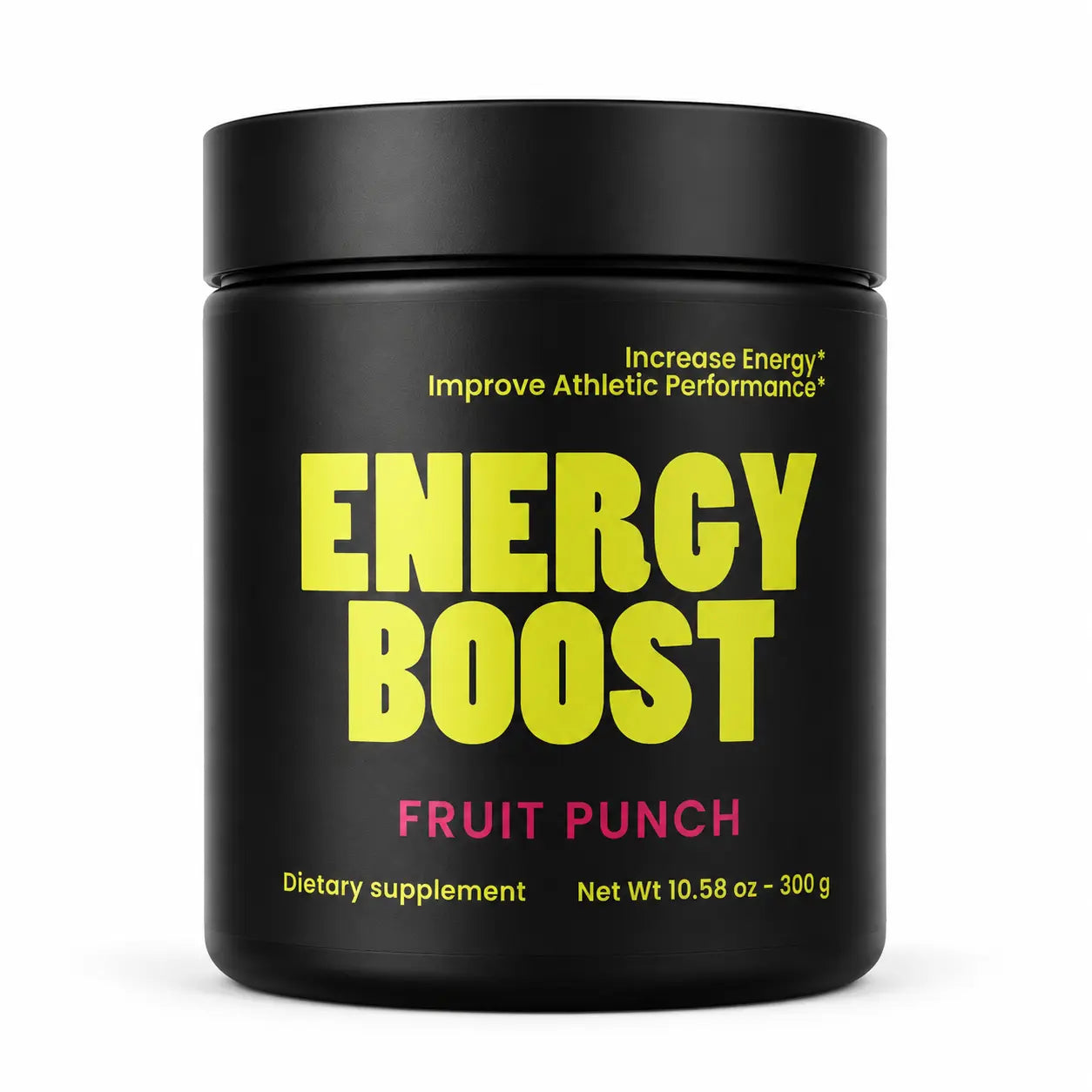
Pre-workout supplements are designed to boost energy, endurance, and focus during exercise, making every session more effective. With the vast array of products available, and many people choose just coffee, determining the best pre-workout supplement involves understanding the key ingredients that contribute to enhanced performance. Our medical experts dive into the most common and effective pre-workout ingredients and how they work to fuel your training.
The Role of Pre-Workout Ingredients
A well-formulated pre-workout supplement can be the difference between an average and an exceptional workout. The best pre-workouts contain a blend of ingredients intended to synergistically improve various aspects of your performance. From increasing energy levels to improving blood flow and enhancing focus, these ingredients are selected for their proven benefits in exercise science.
Key Pre-Workout Ingredients
Caffeine
Caffeine is perhaps the most widely recognized ingredient in pre-workout supplements due to its immediate and noticeable effects on energy and alertness. It works by blocking adenosine receptors in your brain, which reduces the perception of fatigue and can increase the release of adrenaline, boosting your workout intensity.
Beta-Alanine
Beta-Alanine is an amino acid that helps combat muscle fatigue by buffering acid in muscles, increasing physical performance, and extending the time to exhaustion. While effective, it's known for causing a tingling sensation in some users, which is harmless but can be uncomfortable for some.
Nitric Oxide Precursors (L-Arginine and L-Citrulline)
These amino acids are included in pre-workouts to boost nitric oxide (NO) levels in the body. Increased NO improves vasodilation, or the widening of blood vessels, which enhances blood flow to muscles during exercise, improving oxygen and nutrient delivery and leading to better endurance and performance.
BCAAs (Branched-Chain Amino Acids)
BCAAs, including leucine, isoleucine, and valine, support muscle protein synthesis and can help prevent muscle fatigue during workouts. While BCAAs are found in protein-rich foods, having them in your pre-workout can provide a direct, fast-acting source of these critical amino acids.
Electrolytes
Electrolytes, such as sodium, potassium, and magnesium, are crucial for hydration and muscle function. They help maintain fluid balance, support nerve signaling, and prevent muscle cramps during intense workouts.
B-Vitamins
B-Vitamins, including niacin, B6, and B12, play an essential role in energy production and metabolism. They help the body convert food into energy, making them a valuable inclusion in pre-workout formulas for sustained energy levels.
What Is Not Needed In Preworkout?
Creatine Monohydrate
Creatine is one of the most researched supplements in the world of sports nutrition. It enhances strength, power, and muscle mass by increasing the availability of ATP, the primary energy carrier in cells. Creatine is one of the best exercise supplements available, but it is not necessary before your workout. This is because it takes your body much longer than normal preworkout time (1 hour or less) to be effective. Yes, you should still take creatine, but it doesn't matter if you take creatine before or after your workout.
Protein
Much like creatine, protein immediately before your workout will not help with the workout. That said, you should absolutely consume protein after your workout with a home cooked meal, whey protein powder shake, or even high protein fast foot.
Choosing the Best Pre-Workout
The best pre-workout for you depends on your individual goals, tolerance to certain ingredients like caffeine, and specific fitness objectives. Sometimes simple coffee is the best preworkout for your situation. For instance, if you're sensitive to caffeine, a stimulant-free pre-workout might be preferable. Similarly, if your focus is on building muscle, a pre-workout with creatine and BCAAs might be most beneficial.